
Products
The precise temperature control of Peltier modules are the core of electronic devices. They integrate transistors and algorithms, support data processing and AI computing, adapt to scenarios such as 5G, the Internet of Things, and autonomous driving, and have the advantages of low power consumption and high computing power. They promote the intelligent upgrading of industrial automation and consumer electronics and serve as a key hardware foundation for the development of the digital economy.
Our standardized and customized peltier products can provide customers with perfect solutions
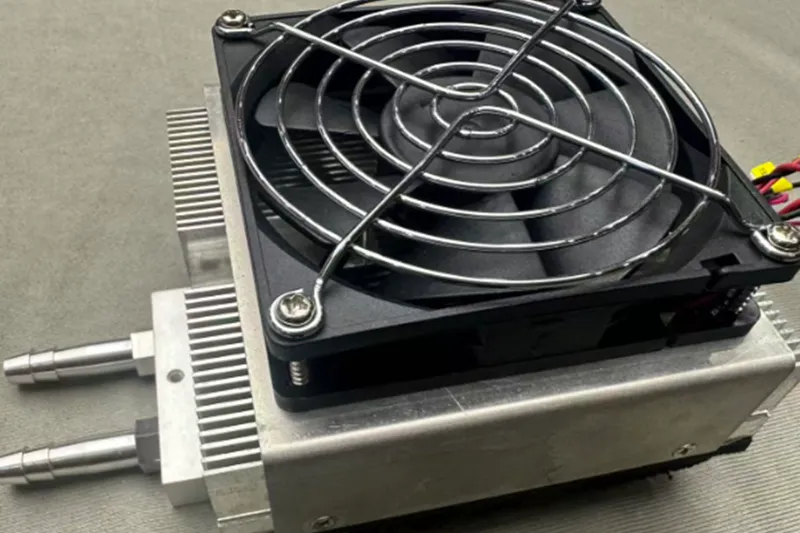
Our solutions
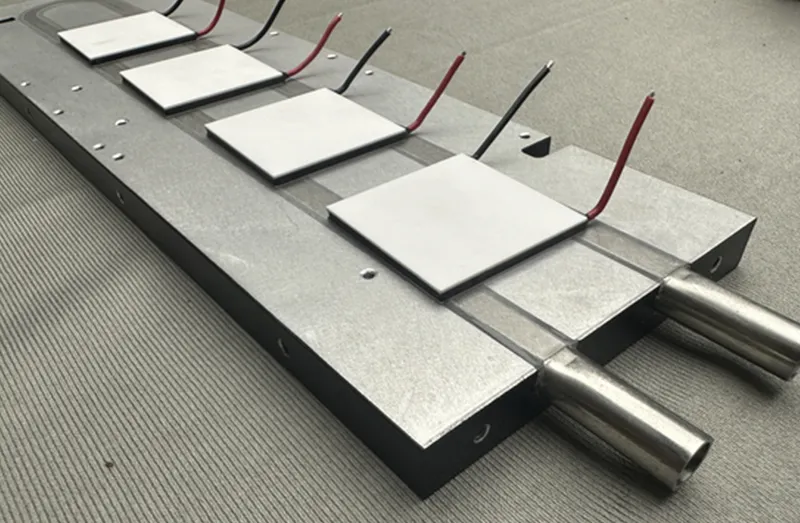
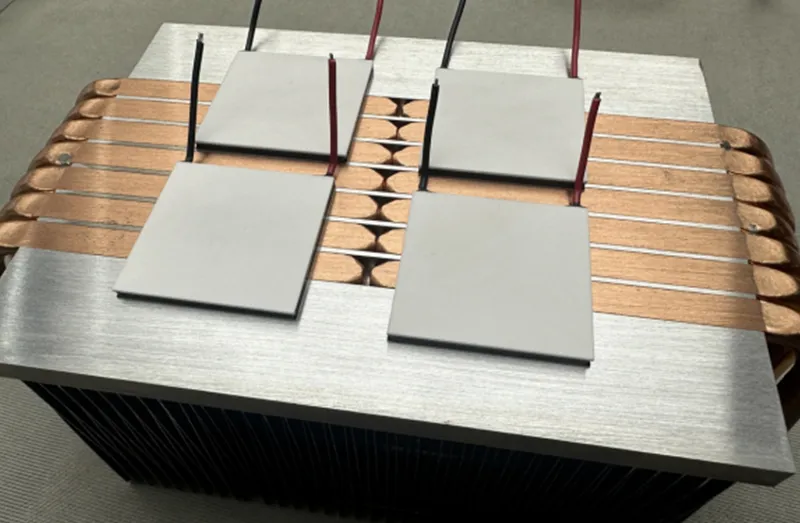
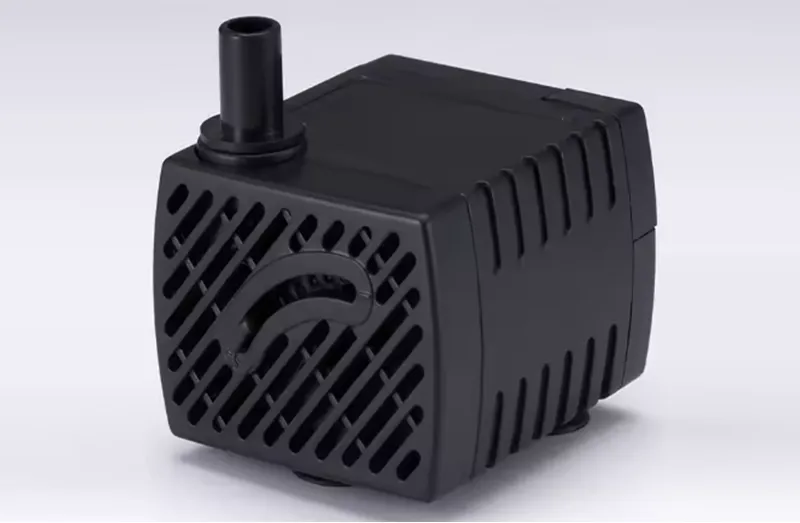
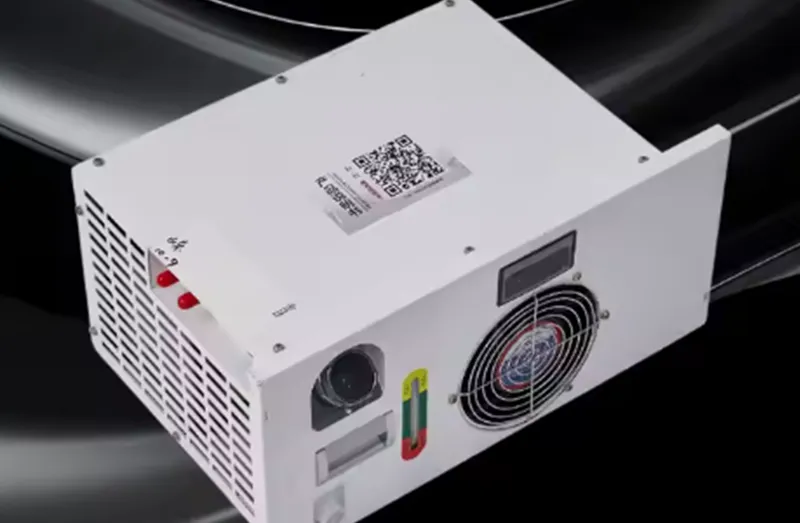
We design and manufacture system level thermal management product lines and customized solutions for our clients, including thermoelectric coolers, thermoelectric cooler components, temperature controllers, liquid cooling, and pump systems, to ensure their market competitiveness.

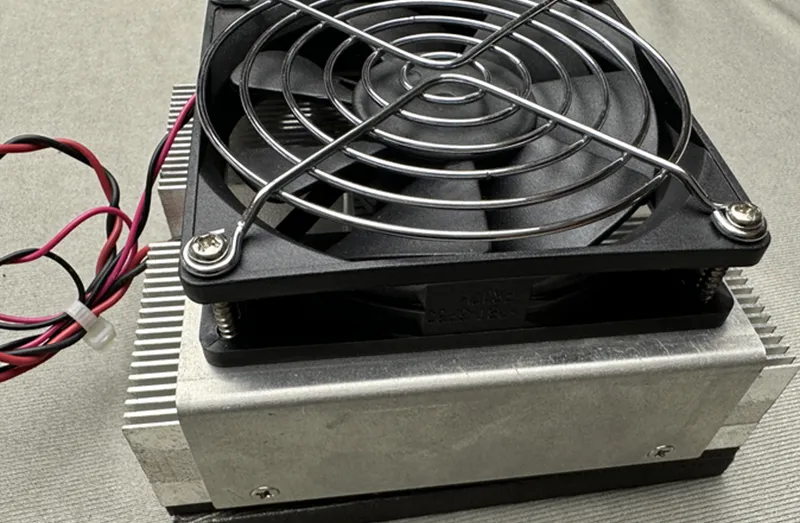
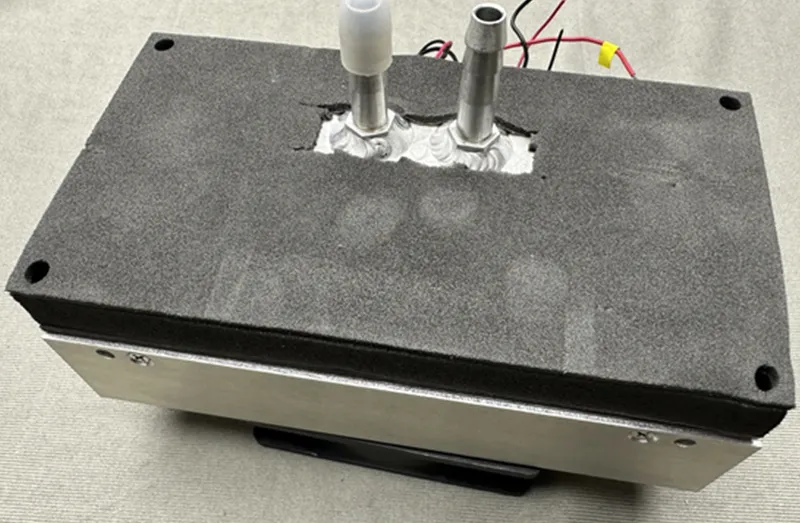
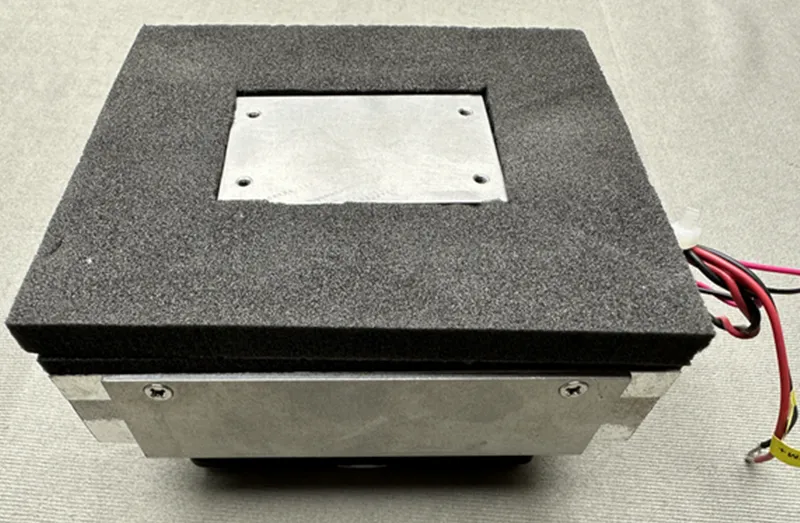
Why do clients choose us?
Professional Peltier Thermal Management Manufacturing Strength:
Relying on a standardized production system and precision processing technology in the field of Peltier thermal management, we strictly control the entire process from core chip selection to the delivery of finished thermal management modules. This ensures the process accuracy and heat dissipation stability of each set of Peltier thermal management products, meeting customers' core needs for professional thermal management solutions.
Professional Peltier Thermal Management Design Capability:
With in-depth insights into heat dissipation pain points across various industries (such as electronic equipment and medical instruments), our senior thermal management design team customizes Peltier thermal management solutions. These solutions balance product structure adaptability, energy efficiency ratio and mute requirements, ensuring the design accurately matches customers' Peltier thermal management application scenarios.
Reliable Peltier Thermal Management Quality Assurance:
We have established multi-dimensional quality inspection standards based on the characteristics of Peltier elements. Through pre-production, in-production and post-production tests such as high-low temperature cycles and long-term load operation, we avoid risks such as component attenuation and heat dissipation failure. This guarantees the long-term stable operation of Peltier thermal management products and helps customers reduce the cost of equipment overheating failures.
Continuous Peltier Thermal Management Iteration, Upgrading and Comprehensive After-Sales Service:
Based on customers' heat dissipation feedback in different scenarios and industry technological innovations, we regularly optimize the component performance, temperature control algorithms and installation structure of Peltier thermal management products. Meanwhile, we provide exclusive after-sales service to promptly solve problems such as Peltier module debugging and maintenance encountered by customers during use, ensuring the continuous and efficient operation of the thermal management system.
- 1.What is a Peltier Element?
- 2.What is the working principle of a Peltier element?
- 3.What advantages does a Peltier element have compared with traditional heat dissipation/refrigeration methods (such as fans and compressors)?
- 4.How is a Peltier element manufactured?
- 5.What is a Peltier Module? What is the difference between it and a single Peltier element?
- 6.What is the typical service life of Peltier products? What factors affect their service life?
- 7.What application scenarios are Peltier products suitable for?
A Peltier element is a semiconductor device that operates based on the “Peltier effect”. By applying a direct current (DC), it creates a temperature difference where one side absorbs heat and the other releases heat. It is mainly used for precise temperature control and heat dissipation, and is widely applied in electronics, medical care, refrigeration and other fields.
2.What is the working principle of a Peltier element?
Its core lies in the “Peltier effect”: when an electric current passes through a circuit composed of two different semiconductor materials, heat transfer occurs at the contact points of the two materials—one end absorbs heat (the cooling side) and the other releases heat (the heat-dissipating side). The heat absorption and heat release sides can be switched by changing the direction of the current.
No mechanical moving parts, resulting in no noise during operation, longer service life and lower maintenance costs;High temperature control precision (up to ±0.1℃), enabling accurate temperature adjustment;Small size and light weight, suitable for equipment scenarios with limited space;Fast start-up speed, allowing it to quickly enter a stable working state without preheating.
4.How is a Peltier element manufactured?
*Cutting the semiconductor materials into chips of specific sizes;
*Alternately connecting the N/P-type chips in series using metal electrodes (such as copper and nickel) to form a thermoelectric stack;
*Encapsulating insulating ceramic substrates on both sides of the thermoelectric stack (to ensure heat conduction and insulation);
*Conducting performance tests (such as temperature difference, power consumption, and insulation), and delivering the products after they pass the tests.
5.What is a Peltier Module? What is the difference between it and a single Peltier element?
A Peltier element is a semiconductor device that operates based on the “Peltier effect”. By applying a direct current (DC), it creates a temperature difference where one side absorbs heat and the other releases heat. It is mainly used for precise temperature control and heat dissipation, and is widely applied in electronics, medical care, refrigeration and other fields.
6.What is the typical service life of Peltier products? What factors affect their service life?
Under normal use, the service life of a Peltier element can reach 3-5 years, and the service life of an integrated module can reach 5-8 years. The influencing factors include:Operating temperature: Long-term use in an environment exceeding the rated temperature will accelerate the aging of semiconductor materials;Heat dissipation efficiency: Insufficient heat dissipation on the heat-dissipating side will cause the element to overheat and be damaged;Current stability: Frequent overload or current fluctuations will affect the connection reliability between internal electrodes and semiconductors;Environmental humidity: A humid environment may cause short circuits in internal circuits or aging of ceramic substrates.
7.What application scenarios are Peltier products suitable for?
They are widely used in fields that require precise temperature control or heat dissipation in small spaces, such as:
Electronic equipment: Auxiliary heat dissipation for industrial sensors, laser diodes, and CPU/GPU;Medical equipment: Temperature control for blood analyzers, PCR instruments, and vaccine refrigerators;Consumer electronics: Small refrigerators, car refrigeration cups, and constant temperature coasters;Industrial manufacturing: Semiconductor wafer testing, temperature control for optical equipment lenses, and thermal management of lithium batteries.